Regulation Resources
First: stabilize your nervous system
Trauma often lives in the body as much as the mind.
Simple grounding tools you can use anywhere:
5-4-3-2-1 grounding: name 5 things you see, 4 feel, 3 hear, 2 smell, 1 taste
Slow exhale breathing: inhale 4 seconds, exhale 6–8 seconds
Temperature reset: splash cool water on your face or hold something cold
These signal to your nervous system: I am safe right now.
Create a sense of safety and predictability
Trauma can make the world feel chaotic.
Keep small routines (morning drink, evening walk, regular sleep time)
Make your space feel physically comforting
Limit overwhelming news or social input when you’re flooded
Consistency rebuilds a sense of control.
Work with your thoughts gently
Trauma can trigger self-blame, fear, or intrusive memories.
Instead of fighting thoughts, try:
“This is a trauma response, not a fact.”
Writing thoughts down to externalize them
Naming emotions without judgment: “I’m feeling scared,” not “I’m broken.”
Move the body (safely)
Gentle movement helps process stress hormones.
Walking
Stretching or yoga
Shaking out tension
Dancing to music
The goal is release, not performance.
Connect — even in small ways
Trauma isolates. Healing happens in safe connection.
One trusted friend or family member
Support groups
Trauma-informed therapy
You don’t have to explain everything — just being around safe people helps regulate your nervous system.
Consider professional support
Trauma-informed therapy can be transformative. Evidence-based approaches include:
EMDR
Somatic therapies
Trauma-focused CBT
A good therapist moves at your pace — never forcing reliving before you’re ready.
Important to know
Healing from trauma is not linear. You may have days where you feel strong and days where memories or reactions spike. That doesn’t mean you’re failing — it means your system is processing.
If trauma ever leads to thoughts of harming yourself or feeling unsafe, reaching out to a crisis line or local support service is an act of strength, not weakness.
-
Goal: Re-anchor your brain in the present.
In-the-moment tools
Orienting: say out loud:
“Today is ____. I am in ____. I am safe right now.”Press your feet into the floor — notice pressure and texture
Describe your surroundings like a narrator
Containment exercise
Imagine putting the memory in a box, drawer, or vault
Tell yourself: “I can come back to this later — not now.”
Aftercare
Warm drink or blanket
Gentle music
Write what happened briefly to discharge the mental loop
-
Goal: Teach your nervous system that it can stand down.
Body-first calming
Long exhale breathing (exhale longer than inhale)
Progressive muscle relaxation
Slow rocking or swaying
Environment cues
Sit with your back to a wall or facing the door
Soft lighting
Familiar smells or textures
Mental tools
Ask: “What is actually happening right now?”
Rate danger 1–10 — most moments are lower than they feel
-
Goal: Gently wake up sensation and emotional range.
Sensory activation
Hold ice or a warm mug
Strong mint or sour candy
Splash cool water on your face
Micro-pleasure practice
Notice tiny enjoyable things:
sunlight
a pet’s fur
a favorite song
Movement
Stretch arms overhead
Shake limbs gently
Walk while noticing sensations
No pressure to feel big emotions — numbness is protective, not failure.
-
Goal: Signal safety and predictability before bed.
Pre-sleep routine
Same wind-down ritual nightly
Low light + no doom-scrolling
Gentle stretching or breathing
Nighttime grounding
If awakened:
name 3 things you see
feel the sheets
slow breathing
Brain offloading
Write worries or intrusive thoughts before bed
Tell yourself: “Handled for tonight.”
Avoiding sleep because you fear nightmares can unintentionally make your sleep (and dreams) more intense. The relationship is a little more nuanced than the simple “deep sleep first, REM later” story, but the core idea you’re pointing to is supported by sleep science.
Here’s what’s really happening:
How sleep cycles actually work
Sleep isn’t split into a clean “deep sleep half” and “REM half.” Instead, you cycle through stages roughly every 90 minutes:
light sleep → deep sleep → REM → repeat
Early in the night you get more deep (slow-wave) sleep, which is physically restorative. As the night goes on, REM periods get longer, and that’s when vivid dreaming happens.
So yes — toward morning, REM tends to dominate.
Why sleep avoidance can intensify nightmares
When someone delays or restricts sleep:
1) REM rebound
Your brain strongly protects REM sleep. If you’ve been deprived:
REM comes on faster
REM periods can be denser and more intense
This can mean more vivid dreaming and sometimes more nightmares.
2) Nervous system arousal
Fear of nightmares keeps your stress system activated:
higher cortisol
hypervigilance
fragmented sleep
This makes emotional memory processing during REM more turbulent.
3) Fragmented sleep = more dream recall
Waking frequently during REM increases the chance you’ll remember disturbing dreams.
So the paradox is:
Trying to escape nightmares by avoiding sleep increases the conditions that produce them.
The reassuring part
Nightmares are not a sign your brain is broken — they’re often your nervous system trying (clumsily) to process stress or trauma. Consistent sleep gives your brain a better chance to regulate this process.
Gentle strategies that reduce nightmare risk
Instead of fighting sleep:
Keep a predictable sleep schedule
Do calming routines before bed
Ground your body if fear spikes
Remind yourself:
“Dreams are intense, but they cannot harm me.”
-
Goal: Slow reactions and protect boundaries.
Pause script
“I need a moment.”
Step away if needed
Trigger mapping
Notice patterns:
tone of voice?
closeness?
conflict?
Understanding reduces surprise.
Repair & communication
Use simple statements:
“I got overwhelmed.”
“I need reassurance.”
Healthy people respond to clarity.
-
Goal: Stabilize, pace, and prevent overwhelm.
Window of tolerance check
Ask:
Am I flooded? → ground
Am I numb? → activate gentlyContainment + pacing
Limit how long you think/journal about trauma
Set a timer (10–20 minutes)
Return to present afterward
Support
Trauma-informed therapy
Talking to a trusted person
Support groups
Processing is safest when balanced with grounding.

A guiding principle for all areas
When overwhelmed, ask:
👉 “What does my nervous system need right now — safety, calming, or activation?”
Respond to that, not the story.










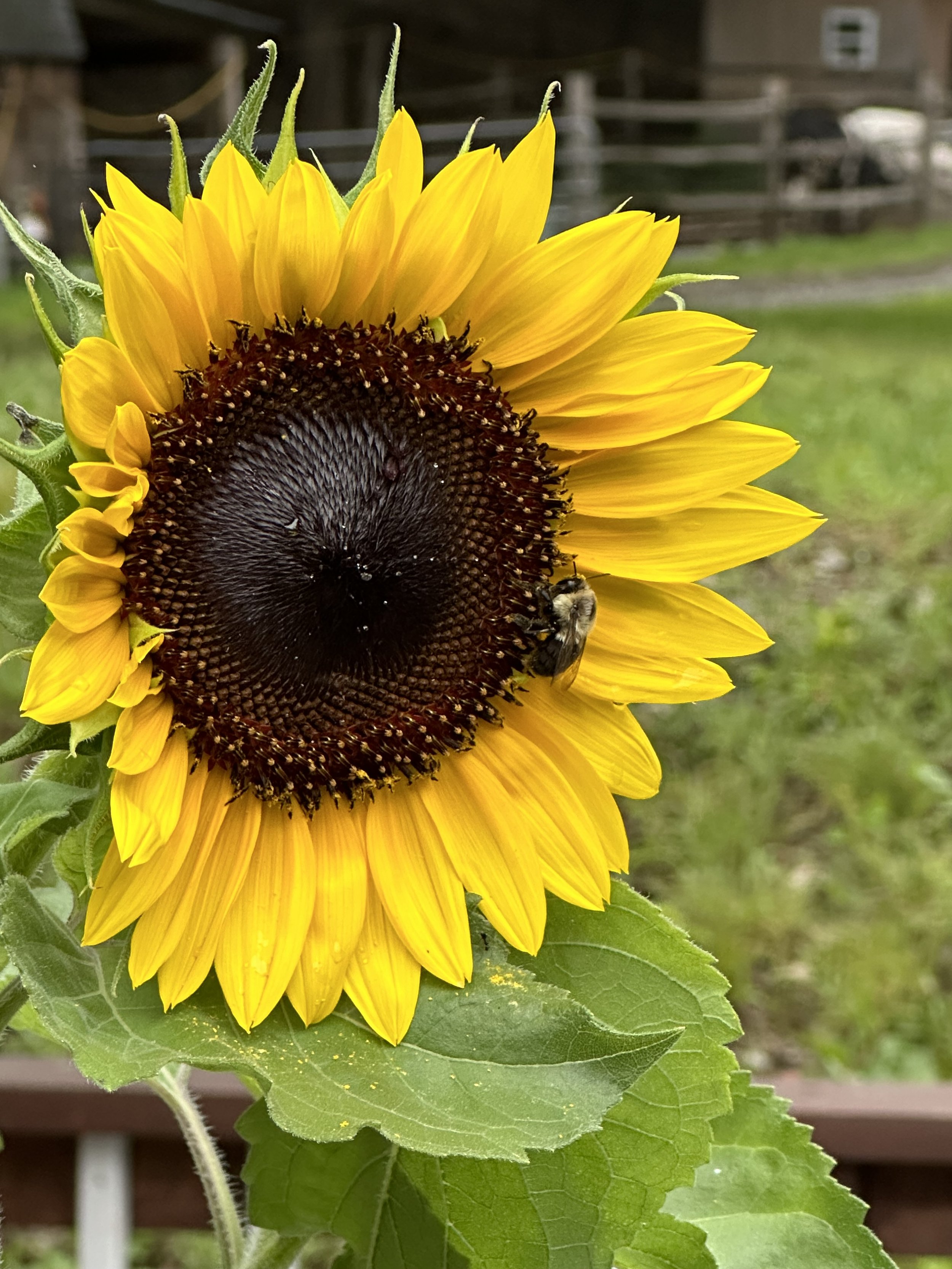


Imagery
Enjoy the AWE of nature